
Reflections of University Autonomy: The Case of Patna University
- Post By PoliticIndia.com on
- 02/Apr/2026
Khagendra Kumar
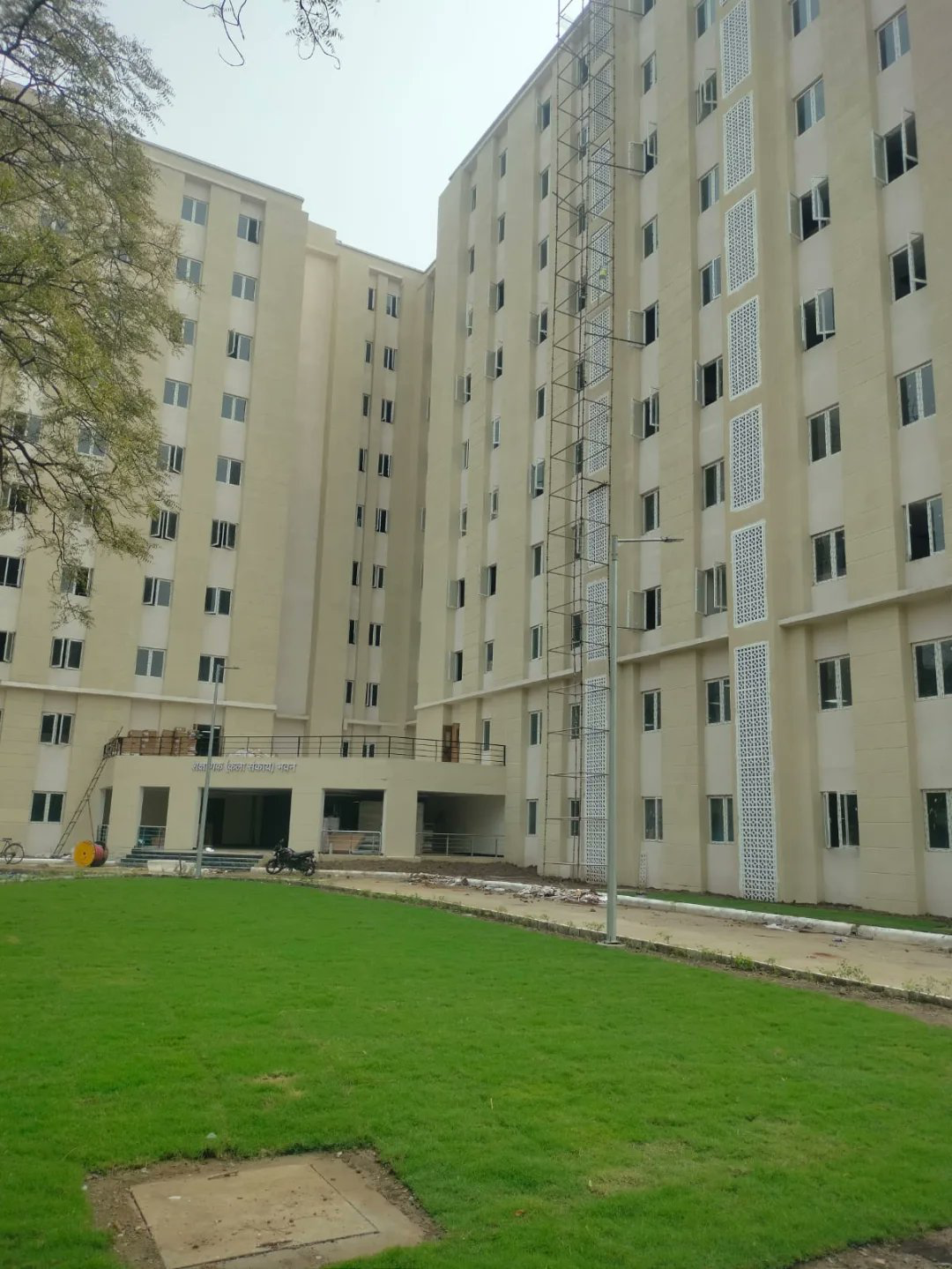
The recent inauguration of the multi-storey administrative and academic building for the Social Science and Humanities Faculty at Patna University serves as a poignant case study. While the event celebrated physical growth, it simultaneously exposed a deepening rift between institutional autonomy and bureaucratic overreach.
1. The Institutional Framework of a University
A university is not a mere department of the government; it is a self-governing "republic of letters." Its operations are governed by specific statutory bodies designed to ensure academic and administrative independence:
-
Statutory Bodies: The Academic Council, Syndicate, and Senate are the foundational pillars of governance.
-
The Vice-Chancellor (VC): As the chief executive and academic head, the VC presides over these bodies, ensuring the university’s mission remains focused on education and research.
-
Public Funding: While infrastructure is built using state funds, these are public resources intended to support an independent seat of learning, not to buy administrative control.
2. The Bureaucratic "Hijacking" of Autonomy
Despite the National Education Policy (NEP) 2020 explicitly recommending that universities be granted greater academic and financial autonomy, the ground reality often tells a different story.
The Protocol vs. Pedagogy Conflict
The bureaucracy frequently asserts its superiority through the lens of "protocol." However, this creates a fundamental role reversal:
-
Host turned Spectator: During the ceremony, university officials were relegated to the role of onlookers.
-
Strangers turned Host: The Education Department assumed leadership, wielding administrative and coercive power within the heart of the campus.
The Status of the Teacher: In the hierarchy of human progress, the teacher occupies the highest tier. Whether a primary school educator or a university professor, no bureaucratic rank can eclipse the intrinsic status of a teacher.
3. Analysis of the Inaugural Incident
The event was marked by a specific incident involving student presence that highlights the current administrative climate in Bihar:
-
The Protest: Although not officially invited, students assembled to witness the event. Their presence, marked by sloganeering in favor of the Chief Minister, was expressive but not untoward.
-
The Legal Response: FIRs were subsequently lodged against several students.
-
The Blame on Leadership: Crucially, the FIRs targeted the Vice-Chancellor, alleging a failure to "pacify" students who followed the CM. This reflects a trend where university heads are treated as security coordinators rather than academic leaders.
4. The Path to Institutional Flourishing
Whenever a university requires support from state administration or the police, the assistance is often delayed. Conversely, if a situation escalates, the university administration is blamed through various pretexts.
Conclusion
For Patna University—or any public institution—to truly flourish, the state must adhere to a policy of non-interference.
-
Strict Prohibitions: Bureaucracy must be legally and culturally prohibited from meddling in internal university affairs.
-
Absolute Autonomy: The state must honor its commitment to both academic and financial autonomy.
Without these safeguards, the university becomes a mere extension of state power, losing the independent spirit essential for intellectual growth and social progress.
BLOG
Saving University Autonomy: Why Teachers Must Act Without Sacrificing the Classroom
Read More
Saving University Autonomy: Why Teachers Must Act Without Sacrificing the Classroom
Read More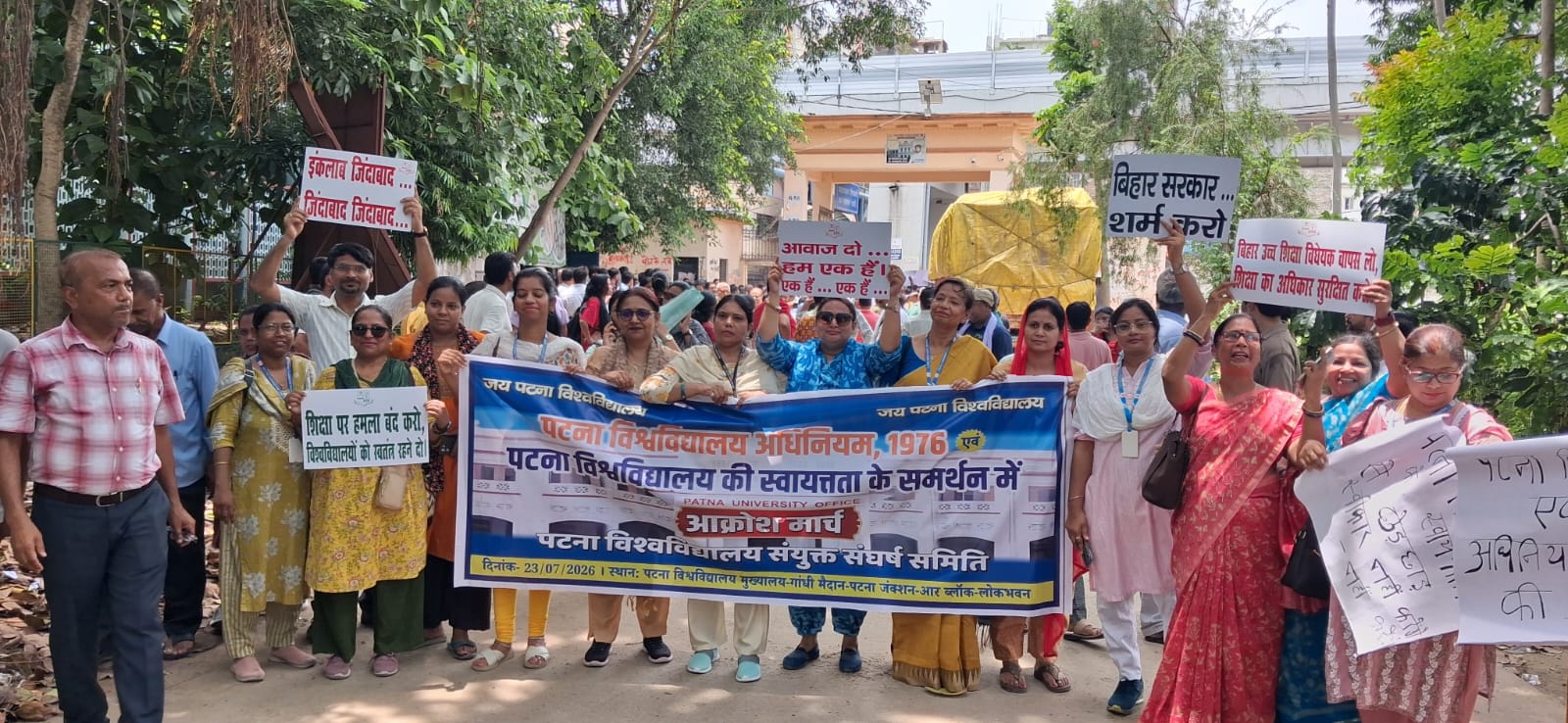
उच्च शिक्षा, स्वायत्तता और नौकरशाही का अतिक्रमण: प.वि.वि. के संदर्भ में एक गंभीर आत्ममंथन
Read More
The Perils of Bureaucratization in Higher Education of Bihar
Read More
The Erosion of University Autonomy: A Call for Consultative Governance in Higher Education Institutions of Bihar
Read More