
Saving University Autonomy: Why Teachers Must Act Without Sacrificing the Classroom
- Post By PoliticIndia.com on
- 13/Aug/2026
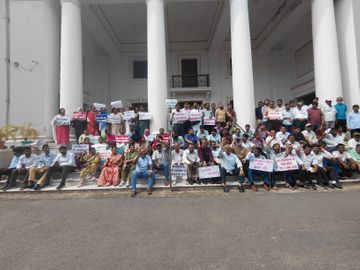
Khagendra Kumar
The higher education system in Bihar stands at a critical crossroads. The proposal to merge the Patna University Act, 1976 and the Bihar Universities Act, 1976, coupled with plans to detach constituent colleges from university administration and place them under direct state government control, raises serious questions.
Where did this idea originate, and who benefits from stripping universities of their foundational oversight?
The Bureaucratic Takeover and Political Apathy
A university is meant to be a seat of higher learning, critical thinking, research, and institutional self-governance. Isolating constituent colleges from university authority and placing them directly under state administrative machinery strikes at the heart of academic freedom.
Unfortunately, this structural shift highlights a troubling reality:
Political Disengagement: Neither ruling nor opposition parties have raised meaningful objections to this consolidation of control. The political leadership across lines appears increasingly disinterested in core developmental issues—whether in education, agriculture, or infrastructure—often deferring complex policy decisions to state administration.
Administrative Centralization: From institutional policies to local development funds, decision-making power has steadily shifted toward bureaucratic authorities.
The Risk to Quality: Subjecting colleges to direct governmental administrative control threatens to substitute vibrant pedagogy, innovation, and open debate with rigid bureaucratic red tape.
If decisions regarding higher education bills are drafted without consulting academicians, university bodies, and civil society, the resulting framework will prioritize administrative control over educational excellence.
A Call to Action for University Teachers
Higher education cannot be surrendered without a voice. University and college faculty have a duty to safeguard academic autonomy and inform the public about the risks of centralizing educational governance.
To build an effective campaign, academic communities should focus on three clear priorities:
1. Educate Public Representatives and Citizens: Conduct seminars, symposia, public lectures, and awareness rallies to explain the vital role of university autonomy in nurturing research, critical thinking, and social progress.
2. Expose the Pitfalls of Bureaucratic Governance: Highlight how excessive administrative control stifles institutional growth and limits creative teaching methodologies.
3. Demand Stakeholder Consultation: Insist that any new educational legislation involve thorough discussion with universities, academic experts, teacher associations, and public interest groups before enactment.
The Golden Rule: Safeguard the Classroom First
While organizing a strong response is necessary, the method of protest is just as important as the cause itself.
The campaign to protect higher education must be conducted without disrupting regular teaching and learning activities.
Work After Institutional Hours: All meetings, marches, and awareness programs should take place after standard academic hours, during evenings, or on official holidays.
Protect Student Interests: Disrupting classes or academic calendars weakens the movement, alienates students and parents, and gives administrative critics grounds to dismiss legitimate concerns.
Maintain Public Trust: Bureaucratic quarters often build narratives alleging that faculty prioritize protests over teaching responsibilities. Operating strictly outside class hours counters this narrative directly and secures broad public support.
Protecting the Future of Higher Education
Higher education institutions are not mere government departments; they are spaces for intellectual inquiry and societal growth. Teachers must lead the effort to protect university autonomy through clear, constructive, and dignified engagement—demonstrating complete dedication to students in the classroom while actively advocating for the future of education outside of it.
BLOG
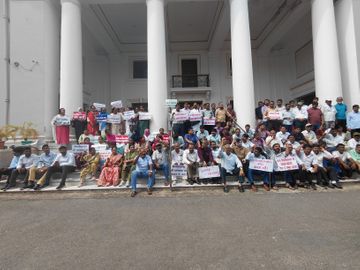
Saving University Autonomy: Why Teachers Must Act Without Sacrificing the Classroom
Read More
Saving University Autonomy: Why Teachers Must Act Without Sacrificing the Classroom
Read More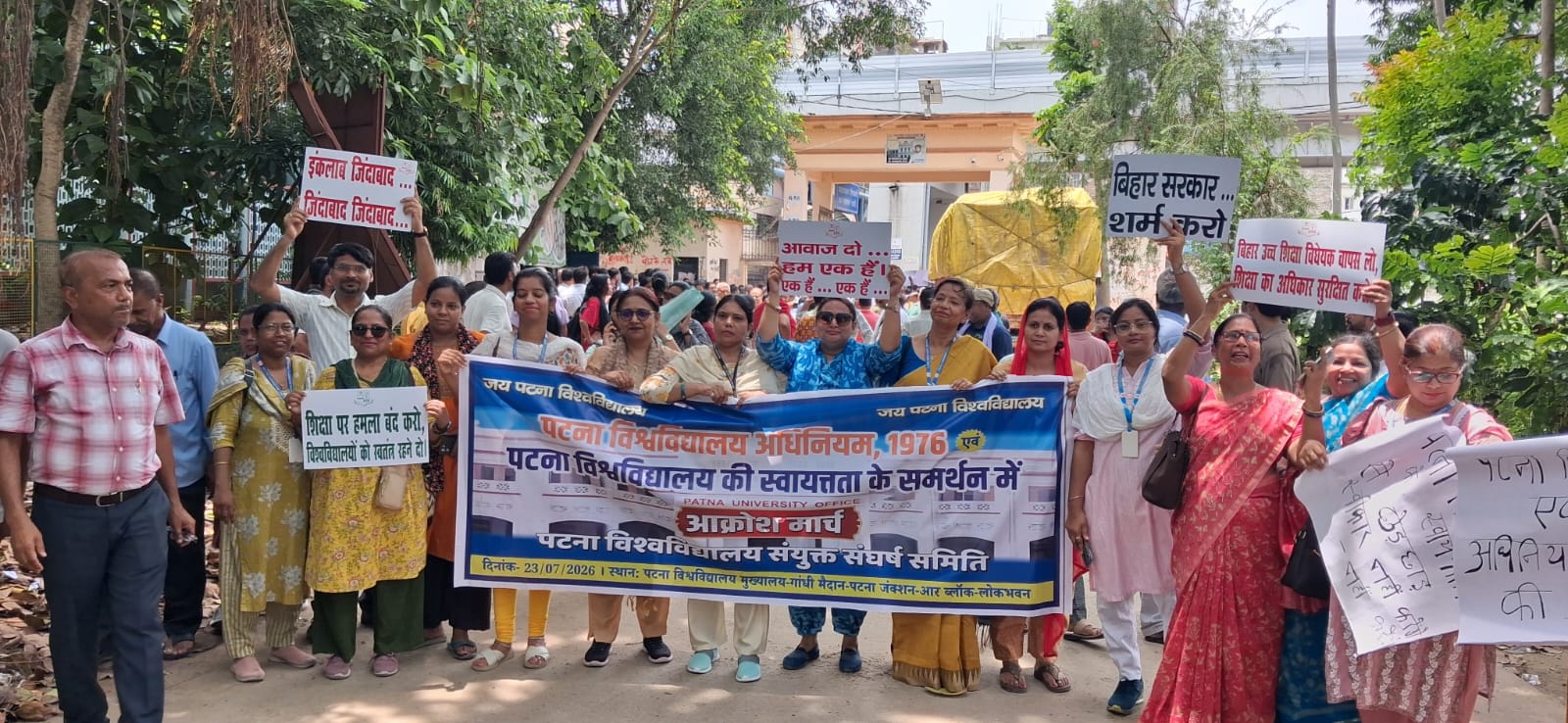
उच्च शिक्षा, स्वायत्तता और नौकरशाही का अतिक्रमण: प.वि.वि. के संदर्भ में एक गंभीर आत्ममंथन
Read More
The Perils of Bureaucratization in Higher Education of Bihar
Read More
The Erosion of University Autonomy: A Call for Consultative Governance in Higher Education Institutions of Bihar
Read More